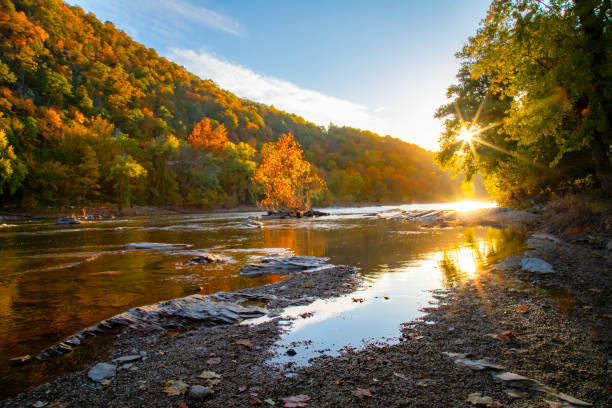
Late fall is a honest season on Michigan rivers. The crowds are gone, the maples have dropped their color into the current, and the water runs clear and quiet. Michigan river kayaking in November can be some of the best paddling of the year — but it comes with a condition that summer never imposes: the water is cold enough to hurt you, and dressing wrong stops being a comfort issue and starts being a safety one.
The mistake almost every paddler makes once is dressing for the air. A bright, calm, 55-degree afternoon feels like sweatshirt weather at the launch. The river underneath that sunshine may be in the 40s. If you go in wearing what felt right in the parking lot, the river will explain the difference immediately. This is how our club thinks about late-season clothing — what to wear, in what order, and why — so a November paddle stays safe and comfortable all the way to the take-out.
Dress for the Swim You Don't Plan to Take
The first rule of cold-water paddling is simple: dress for immersion, not for the forecast. You are not choosing an outfit for paddling. You are choosing an outfit for the worst minute of the day — an unexpected swim in cold water, followed by a wet exit and a wait on a cold bank.
That mindset shift changes every decision. Cold water steals heat far faster than cold air does, and the first moments of an unplanned swim bring their own danger: the involuntary gasp and rapid breathing of cold shock, which can defeat even a strong swimmer in the first minute. After that comes the slower problem — hands and arms that lose strength and coordination long before core temperature becomes the issue, which is why a swimmer who "feels fine" can still fail to climb back into a boat or hold onto a paddle.
None of this is a reason to stay home. It is a reason to dress so that a swim is an inconvenience instead of an emergency. Experienced Michigan paddlers generally start treating the river as cold water when it drops below about 60 degrees, and by November most Michigan rivers are well below that mark. Our club's safety page lays out the expectations we paddle by, and dressing for immersion sits near the top of the list.
The 120-Degree Rule of Thumb
A rough field check many paddlers use is the 120-degree rule: add the air temperature and the water temperature together. If the sum is below 120, wear real cold-water protection — a wetsuit or drysuit with proper insulation — rather than ordinary paddling clothes. It is a rule of thumb, not physics, and it errs on the safe side; if anything, most experienced cold-water paddlers dress warmer than the rule suggests, especially on wind, rain, or long stretches far from the take-out.
You can check what the river is doing before you leave home. Our current water levels page gathers the USGS gauges Michigan paddlers watch, and the U.S. Geological Survey publishes the underlying data. A gauge will not hand you a clothing checklist — but knowing the water is high, fast, and cold should push every layer decision one step warmer.
Build the System in Layers
Cold-water clothing works as a system, and each layer has one job. Think in four parts: the base layer against your skin, insulation for warmth, a shell that keeps wind and water off, and the extremities — hands, feet, and head — which decide how the day actually feels.
The base layer: no cotton, ever
The oldest rule in outdoor clothing matters double on cold water: cotton kills. Cotton absorbs water, holds it against your skin, and pulls heat away for as long as you wear it. A cotton sweatshirt that feels cozy at the launch becomes a cold, heavy liability in a swim.
Base layers should be synthetic — polyester or polypropylene — or merino wool. Both keep insulating when damp, both move sweat off your skin while you paddle, and wool stays comfortable across a wide range of effort. Wear the base layer snug, top and bottom, and remember that on a cold day your legs are the half most likely to be in the water if you wade at a launch or step out on a shallow bar.
Insulation: warmth that survives getting wet
Over the base goes insulation: fleece tops and bottoms, or synthetic insulated layers made for paddling. This is the layer you adjust to the day. A calm, sunny 50-degree afternoon might call for a light fleece under your shell; a gray, windy 38-degree morning wants the heavy one. Err warm. You can always open a zipper or stash a layer in a hatch; you cannot add a layer you left in the car once you are two miles from the launch.
The shell: wetsuit, drysuit, or paddle clothing
The outside layer decides what a swim costs you.
- A paddling wetsuit — farmer-john style or full — traps a thin layer of water against your body and warms it. Neoprene works well for cool to moderately cold water, stays affordable, and asks little maintenance. Its limits show up in wind and during long stops, when evaporation off the suit chills you on the bank.
- A drysuit keeps you dry entirely and lets you dial the insulation underneath to the day. For genuinely cold Michigan water — late fall through spring — it is the standard choice among experienced river paddlers, because the swim becomes a non-event: you come up dry, warm, and able to deal with the boat. The latex gaskets at neck and wrists need care, and the suit is a real investment, but it extends a paddling season by months.
- Dry tops and dry pants, or splash gear, sit between the two. A dry top over insulated layers handles spray and rain on milder late-fall days, but splash clothing alone is not immersion protection. Be honest about which category your outfit is in before you trust it with a cold swim.
Whatever the shell, test it before the season depends on it. Wade in at a safe launch, in shallow water, with a partner watching, and learn exactly how your system feels in a swim. Confidence you have rehearsed is worth more than confidence you assume.
Hands, feet, and head
Paddlers lose days to cold hands more than to anything else. Neoprene gloves or pogies — mitts that attach to the paddle shaft — keep hands working, and working hands are safety equipment: they hold the paddle, work the zipper, and manage the rescue. Many of us carry both, gloves for stops and pogies for paddling.
Feet get wet at every launch, so plan on it. Neoprene booties or waterproof paddling shoes over warm socks — wool or synthetic — keep feet functional on frosty banks. And carry a warm hat that fits under or instead of nothing: a fleece or wool beanie for stops, and a neoprene hood or cap for the coldest days. A spare hat in a dry bag has saved more trips than almost any other small item in the hatch.
The Small Things That Decide the Day
Cold-water comfort is built from small habits as much as big gear:
- A full change of clothes in a dry bag, in the boat, on every cold-water trip — not back at the car. If someone gets wet early, that bag is the difference between finishing the day and an urgent exit.
- A thermos of something hot and more food than the mileage suggests. Cold bodies burn fuel, and a warm drink at the lunch stop resets morale like nothing else.
- A PFD, worn, always. Cold shock is exactly the situation a life jacket exists for; a PFD strapped to the deck does nothing for a swimmer fighting to breathe. Fit matters as much as flotation — snug enough that it stays in place in a swim.
- A shorter, more conservative route. Late fall is not the season for the year's longest mileage or the most remote stretch. Choose water you know, keep the group close, and be off the river well before dark — November daylight runs out fast.
- A trip plan left with someone on shore: where you are launching, where you are taking out, and when you expect to be back.
How the Club Handles Late Season
On the club's late-fall trips, the clothing conversation happens before the boats come off the racks. Experienced members look over what newer paddlers are wearing and say so, kindly and directly, when an outfit is not up to the water temperature — and nobody paddles offended, because the rule protects everyone in the group who might have to help with a rescue. Trips get chosen with the season in mind: stretches from our Lower Peninsula river guide that suit a shorter, colder day, with the calendar showing what is running and how each trip is rated.
That is the real secret of comfortable late-season paddling: it is a group standard, not a personal gamble. Dress for immersion, layer like you mean it, keep the day conservative, and November on a Michigan river stops being the end of the season. It becomes one of its best months.
The Michigan Department of Natural Resources publishes the state's boating rules and seasonal guidance, and it is worth a read before your first cold-water trip of the year.
Explore Michigan with West Michigan Kayaking Club
Looking for more than an occasional paddle? Join the West Michigan Kayaking Club, a Jenison-based outdoor adventure community exploring Michigan's rivers, lakes, trails, and wilderness.
Our adventures include active day paddles, multi-day river expeditions, kayak camping, hiking, backpacking, cycling, and outdoor exploration.
We believe in getting out there, covering miles, and discovering what's around the next bend.
Wild Rivers. Rugged Trails. Real Adventure.
Membership is free. There are no dues or membership fees.
Website: https://www.westmichigankayakingclub.com
Become a member: https://www.westmichigankayakingclub.com/become-a-member
Facebook community: West Michigan Kayaking Club
By Brad De Young | Co-Founder, West Michigan Kayaking Club
The Kayakers Journal
Add comment
Comments