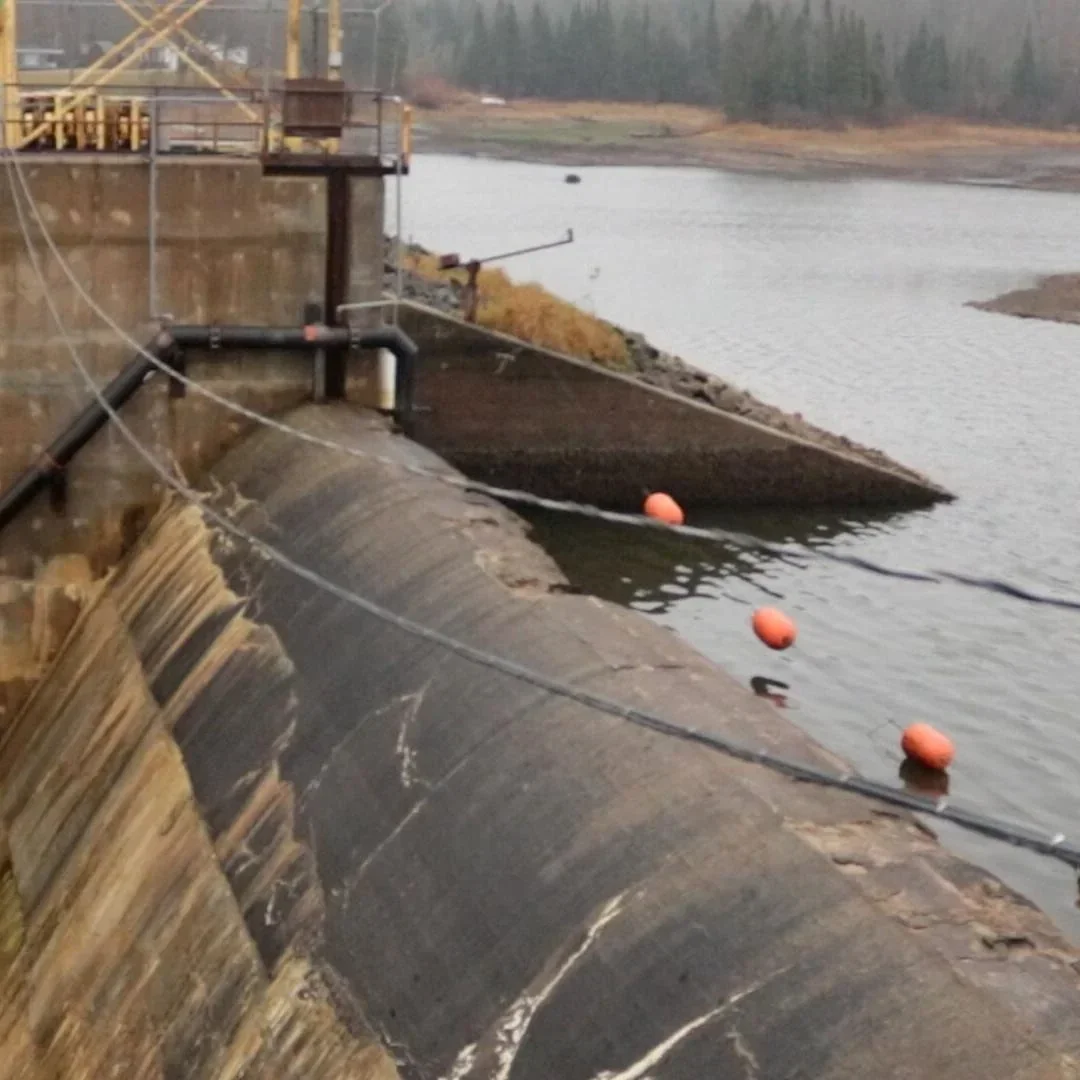
Aging dams, private ownership, financial failure, and the growing burden on Michigan taxpayers
By Brad D. De Young
Michigan Watershed Watch | The Kayakers Journal
Cofounder, West Michigan Kayaking Club
Michigan's rivers are among our greatest natural resources. They support wildlife, fisheries, recreation, tourism, local economies, and the communities that have grown along their banks. But across our state, aging dams are creating a difficult question: Who is responsible when privately owned infrastructure becomes unsafe, financially unsustainable, and too expensive for its owner to maintain?
The Au Train Dam in Alger County offers a troubling—and increasingly urgent—example.
This is not simply a story about one aging hydroelectric facility in Michigan's Upper Peninsula. It is a warning about what can happen when critical infrastructure is privately owned, safety improvements go unfinished for more than a decade, the owner collapses into bankruptcy and loses control of the property, and the public is left facing the consequences. It is also a warning Michigan cannot afford to ignore as it evaluates the proposed sale of 13 Consumers Energy hydroelectric dams to a private equity-backed company.
A documented high-hazard safety concern that was never fixed
The Au Train Dam is a high-hazard-potential structure. That designation means failure could reasonably be expected to cause loss of human life and significant property damage. The dam, roughly a century old, creates a large reservoir (about 1,557 acres) on the Au Train River. Its concrete spillway is inadequate to safely pass a probable maximum flood. Federal regulators have known this for years—orders to address the spillway date back more than two decades, including conditions attached when the current owner acquired the project in 2010.
Michigan's Department of Environment, Great Lakes, and Energy (EGLE) and the Federal Energy Regulatory Commission (FERC) have documented deteriorating concrete, structural concerns, embankment stability questions, internal erosion risks, and the dam's inability to handle major flood events. The condition has been rated poor. The spillway remains too narrow and too low. Required upgrades were never completed.
Financial collapse, bankruptcy, and loss of control
Ownership rests with UP Hydro LLC, a subsidiary of Wisconsin-based Renewable World Energies (RWE) / Harris Energy Group. The company acquired the dam in 2010. By 2023 it had filed for Chapter 11 bankruptcy protection. The case was later dismissed without a viable restructuring plan. In bankruptcy proceedings and public statements, company representatives described the facility as a financial liability. Electricity sales in 2024 totaled only about $173,000. Necessary safety improvements were estimated at roughly $3.7 million—far beyond what the project's limited revenue could support.
The financial distress led to foreclosure. Eighteen of the 22 project parcels were lost. The land under the powerhouse was sold to a new private owner who moved to cut off the previous operator's access. By late 2025 the licensee no longer controlled key project lands or the powerhouse needed to manage reservoir levels and downstream flows. FERC found that the company had effectively abandoned good-faith operation of the project.
On December 29, 2025, FERC terminated the hydroelectric license by implied surrender. Federal oversight ended. Jurisdiction shifted to the State of Michigan. The dam itself remained in place, the safety deficiencies remained unaddressed, and the public still faced the risk.
Forced drawdown and emergency measures
Long before the license was terminated, FERC had ordered interim risk-reduction measures, including lowering the reservoir. The company was directed to maintain a reduced pool elevation and prepare a more permanent drawdown plan. It failed to complete the required studies and work. After the license ended and access to the powerhouse was lost, the risk of the reservoir refilling—and placing renewed pressure on the aging structure—became acute, especially in winter conditions.
In January 2026, state regulators authorized emergency work. Contractors cut a section of the steel penstock that had fed water from the reservoir to the powerhouse, permanently bypassing the turbines. Water now flows into the river downstream of the structure. The goal was to keep the reservoir low and reduce the chance of a sudden rise that could stress the dam. Even after that step, EGLE issued further emergency orders in 2026 requiring the owner to maintain the drawdown, respond with plans for repair, further drawdown, or breaching, and address outstanding deficiencies identified in prior safety inspections.
Ending the federal license did not make the dam safe. It simply transferred a dangerous, underfunded problem to the state.
The taxpayer and public-safety reality
When a private company owns a dam, it receives the economic benefits of ownership and generation (however modest). When the owner can no longer meet its obligations, the structure does not vanish. Downstream communities, roads (including M-94 near the dam), the environment, and recreational users remain exposed. Government agencies must still plan for emergencies, enforce safety requirements, evaluate repair or removal options, and protect people and property.
Michigan has already seen the consequences of this pattern. The 2020 failures of the privately owned Edenville and Sanford dams in Midland County forced the evacuation of more than 10,000 people, damaged thousands of structures, and caused hundreds of millions of dollars in damage. EGLE has explicitly stated that the regulatory trajectory and non-compliance history at Au Train "mirror" the path that led to Edenville. That is not rhetorical exaggeration; it is the considered judgment of the state's dam-safety regulators.
West Michigan Kayaking Club is a community of active paddlers dedicated to exploring Michigan's wild rivers, lakes, and backcountry. Founded in 2019, the club organizes free group paddles, multi-day kayak camping trips, and outdoor adventures for every skill level while also advocating for the long-term health of our waterways. If you want to stay informed about dam safety issues, river conservation, and opportunities to get on the water, visit the club website at westmichigankayakingclub.com or join the official Facebook group at facebook.com/groups/westmichigankayakingclub.
Add comment
Comments